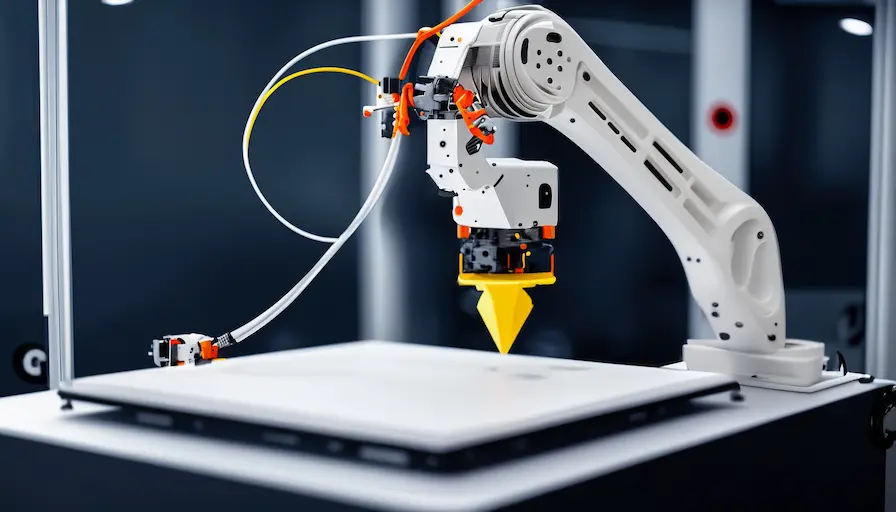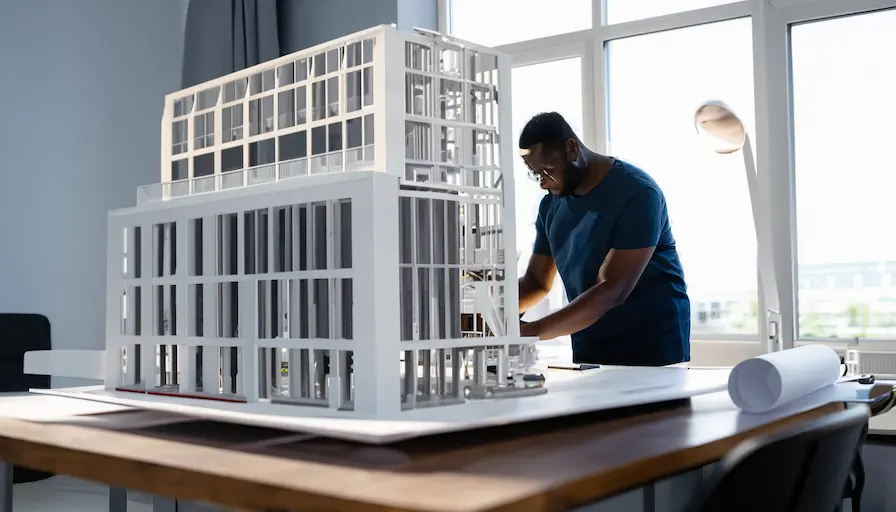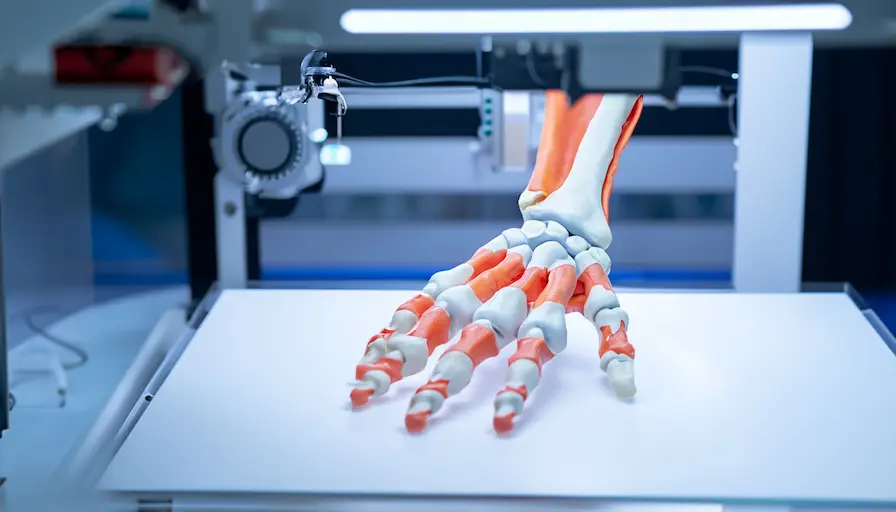
In the realm of aviation, cutting-edge technologies are constantly propelling the industry forward. One such groundbreaking technology is 3D printing, also known as additive manufacturing. In this blog, we will soar through the vast applications of 3D printing in aviation, uncovering the advantages and disadvantages it brings to the skies. Additionally, we will explore the engineering properties that make 3D printing a game-changer for the aviation sector. Get ready to embark on a journey into the future of aviation manufacturing.
Applications of 3D Printing in Aviation
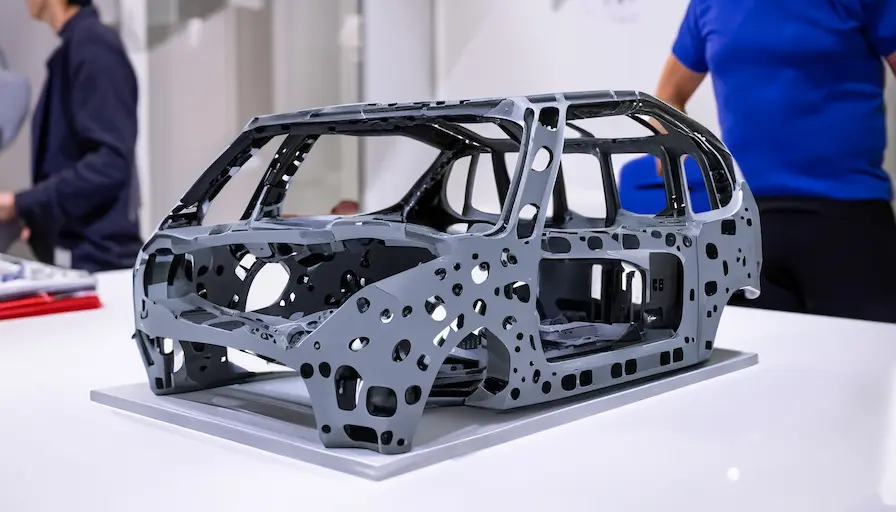
The applications of 3D printing in aviation are as vast as the open skies. From rapid prototyping of aircraft components to manufacturing complex engine parts, 3D printing has revolutionized the way aircraft are designed and built. The technology enables the creation of lightweight and high-strength structures, contributing to fuel efficiency and reducing overall aircraft weight. It has also opened avenues for customizing cabin interiors, optimizing aerodynamics through innovative designs, and streamlining maintenance with on-demand part production.
Pros of 3D Printing in Aviation
- Lightweight Components: 3D printing allows the production of intricate, lightweight parts that contribute to fuel savings and increased payload capacity.
- Design Freedom: The technology's design flexibility enables engineers to create complex geometries that were previously impossible with traditional manufacturing methods.
- Rapid Prototyping: Iterative design cycles are expedited, allowing for faster innovation and reduced time-to-market for new aircraft models.
- On-Demand Repairs: Airlines and maintenance teams can print replacement parts on-site, minimizing aircraft downtime and operational disruptions.
Cons of 3D Printing in Aviation
- Material Limitations: While the range of 3D printable materials is expanding, certain aviation-grade materials may still face challenges in meeting stringent requirements.
- Certification Processes: The certification of 3D printed aviation parts can be a complex and time-consuming process due to the need for rigorous testing and validation.
- Cost of Equipment: The initial investment in 3D printing equipment and technologies can be significant, making adoption a consideration for some companies.
Engineering Properties Driving 3D Printing Advancements:
The success of 3D printing in aviation hinges on crucial engineering properties that ensure the safety and performance of printed components:
- Material Strength: High-strength materials, such as aerospace-grade metals and composites, are vital for constructing robust and reliable aircraft parts.
- Temperature Resistance: Aviation components must withstand extreme temperature variations, necessitating materials with excellent thermal stability.
- Fatigue Resistance: Materials with high fatigue resistance ensure the longevity and durability of printed parts in demanding aviation environments.
- Precision and Accuracy: The technology's ability to achieve precise dimensions and tolerances is essential for seamless assembly and operation.
Conclusion
3D printing has taken flight in the aviation industry, reshaping the way aircraft are designed, manufactured, and maintained. From innovative designs to on-demand repairs, the technology offers a myriad of advantages that enhance aircraft performance and operational efficiency. Despite challenges, ongoing advancements in engineering properties and certification processes are poised to solidify 3D printing's place as a key player in aviation manufacturing.
Tags
Content Summary
This blog soared through the vast world of 3D printing in aviation, exploring its applications, pros, and cons. The technology's design freedom, lightweight components, and rapid prototyping capabilities are propelling the aviation industry into the future. However, challenges like material limitations and certification processes warrant careful consideration. As engineering properties continue to evolve, 3D printing is set to revolutionize aviation manufacturing, paving the way for a more efficient and sustainable aviation sector.