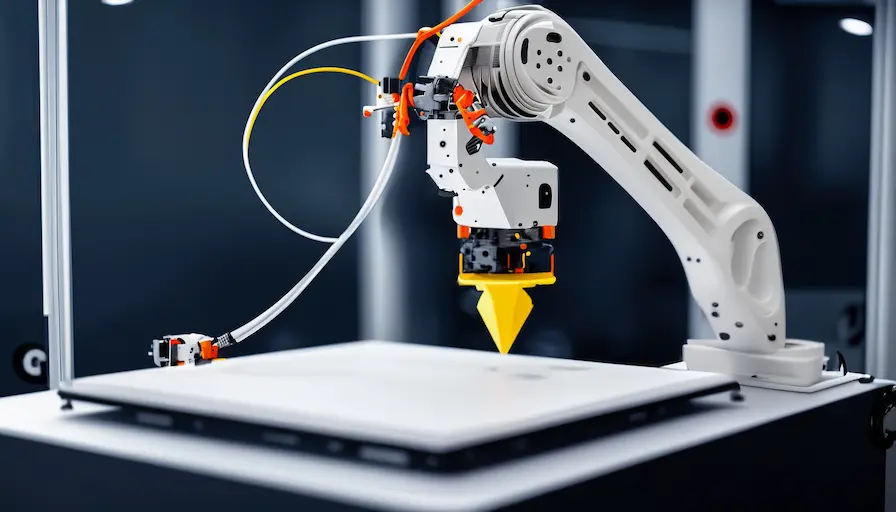
Automation has become a game-changer in various industries, and additive manufacturing, commonly known as 3D printing, is no exception. In this blog, we will explore the fascinating world of automation in 3D printing, its applications, the pros and cons it brings, and the significant engineering properties that make it an invaluable tool in modern manufacturing. As we delve into this topic, we will witness how automation is reshaping the future of production processes.
Applications of Automation in 3D Printing
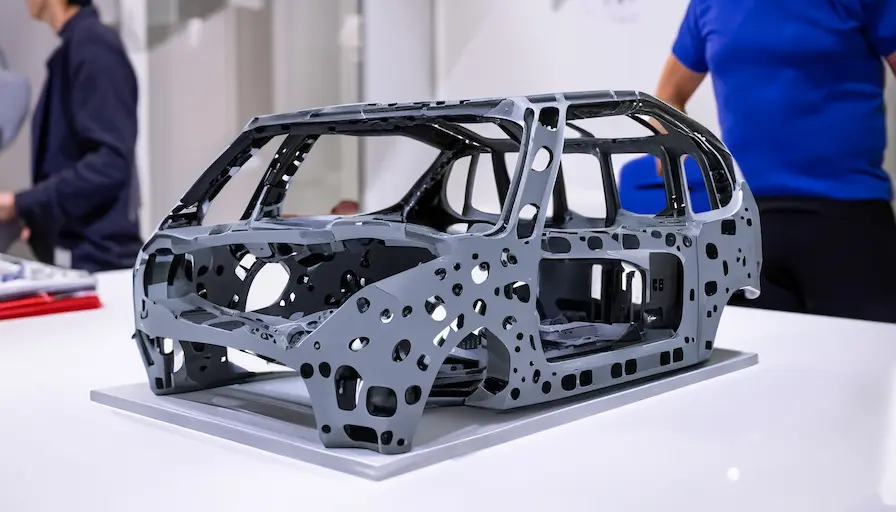
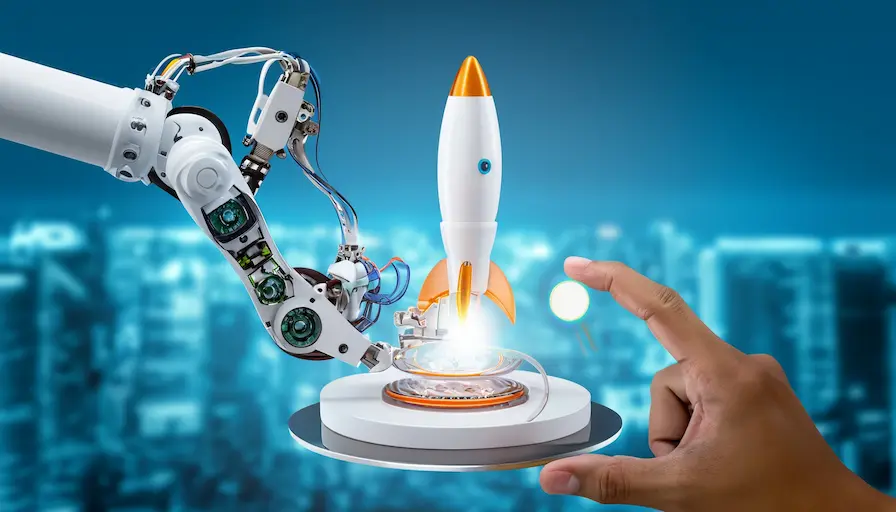
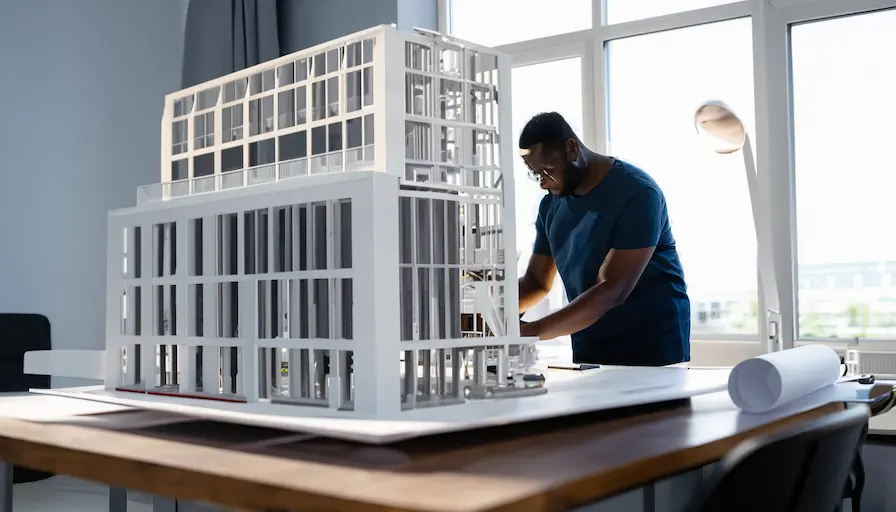
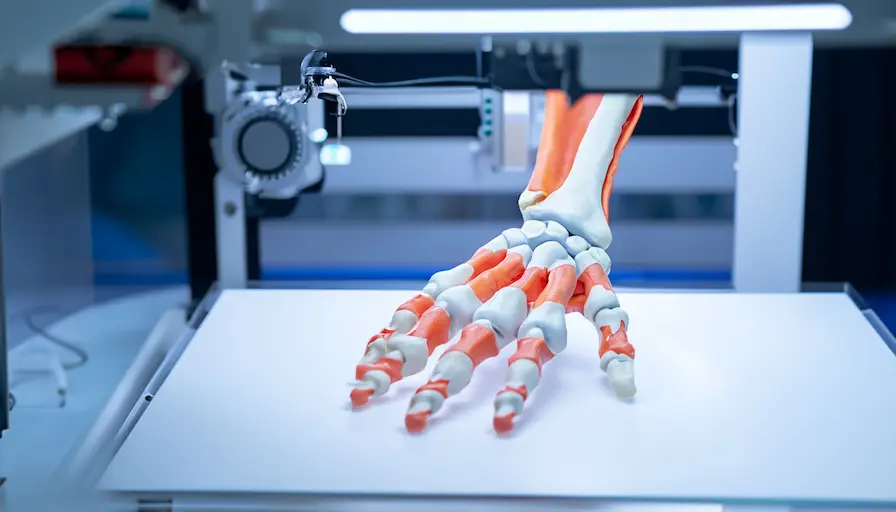
Automation in 3D printing has opened up new horizons of possibilities. From rapid prototyping to large-scale production, industries are embracing automated 3D printing to streamline processes and optimize resource utilization. Notable applications include the aerospace industry, where complex parts can be fabricated with high precision, and the healthcare sector, where patient-specific medical devices are created efficiently.
Pros of Automation in 3D Printing
- Enhanced Efficiency: Automation reduces the need for manual intervention, leading to faster production cycles and increased productivity.
- Cost Savings: By automating repetitive tasks, businesses can lower labor costs and minimize material wastage, resulting in significant savings.
- Quality Control: Automated systems ensure consistent output, reducing the risk of errors and defects.
- 24/7 Operations: Automation enables continuous 3D printing operations, boosting production capacity and meeting tight deadlines.
Cons of Automation in 3D Printing
- Initial Investment: Setting up an automated 3D printing system may require a considerable upfront investment in hardware and software.
- Technical Expertise: AOperating and maintaining automated 3D printers demand specialized knowledge, which could be a challenge for some organizations.
- Limited Flexibility: While automation excels at repetitive tasks, it may face limitations in handling custom or highly intricate designs.
Engineering Properties Empowering Automation
The success of automation in 3D printing lies in the engineering properties of the materials used. Several characteristics make certain materials ideal for automated additive manufacturing:
- High Printability: Materials with excellent printability ensure smooth and reliable flow during the printing process, reducing the chances of clogs or failed prints.
- Layer Adhesion: Strong inter-layer adhesion is crucial for robust and durable 3D-printed objects, and materials with superior bonding properties excel in automated processes.
- Heat Resistance: Automation often involves continuous printing, necessitating materials with high heat resistance to prevent deformation during extended production runs.
- Low Shrinkage: Materials with low shrinkage rates maintain dimensional accuracy in complex geometries, critical for consistent output in automated setups.
Conclusion
Automation has revolutionized 3D printing, driving industries towards greater efficiency, cost-effectiveness, and innovation. From its diverse applications to the pros and cons, automation is reshaping the way we produce goods. By harnessing the engineering properties of advanced materials, automated 3D printing is paving the way for a more streamlined, sustainable, and competitive manufacturing landscape.
Tags
Content Summary
This blog explored the role of automation in 3D printing and its impact on manufacturing. From its applications across industries to the advantages and challenges it presents, automation offers a transformative approach to production. The engineering properties of materials empower automated systems to deliver precise, high-quality outputs. As automation continues to evolve, it promises to shape a dynamic future for 3D printing and manufacturing as a whole.