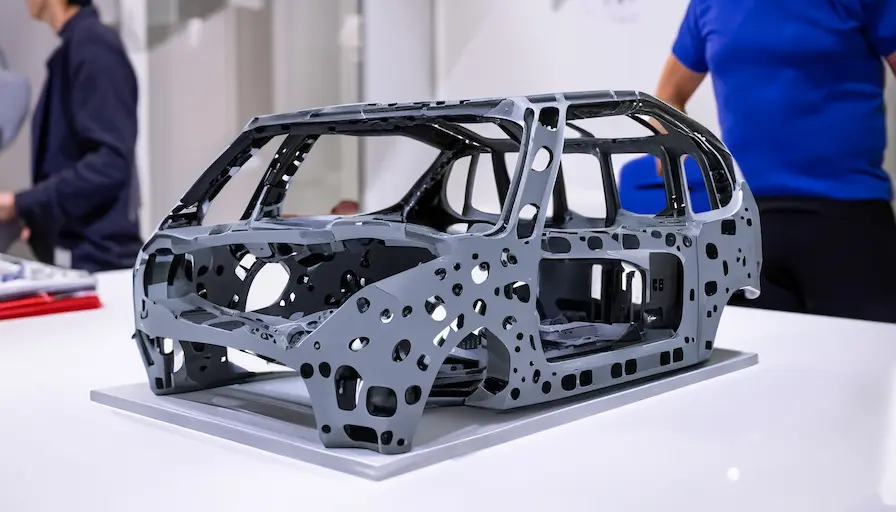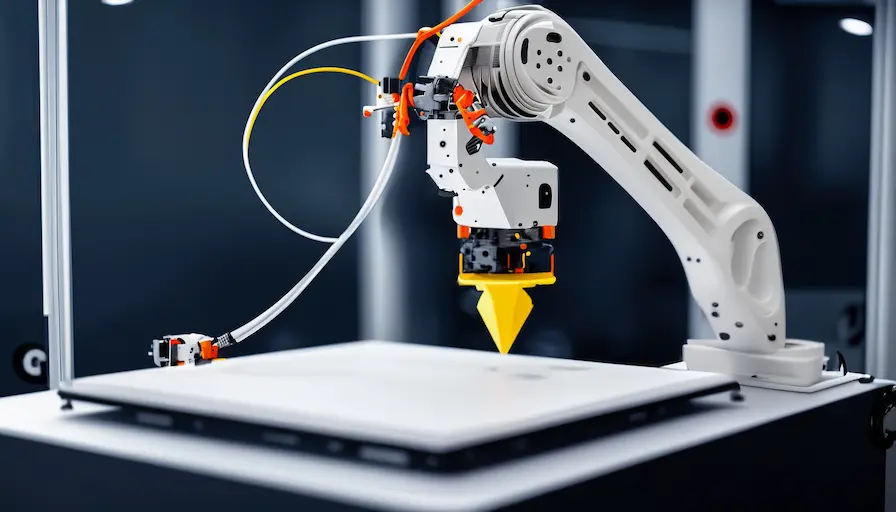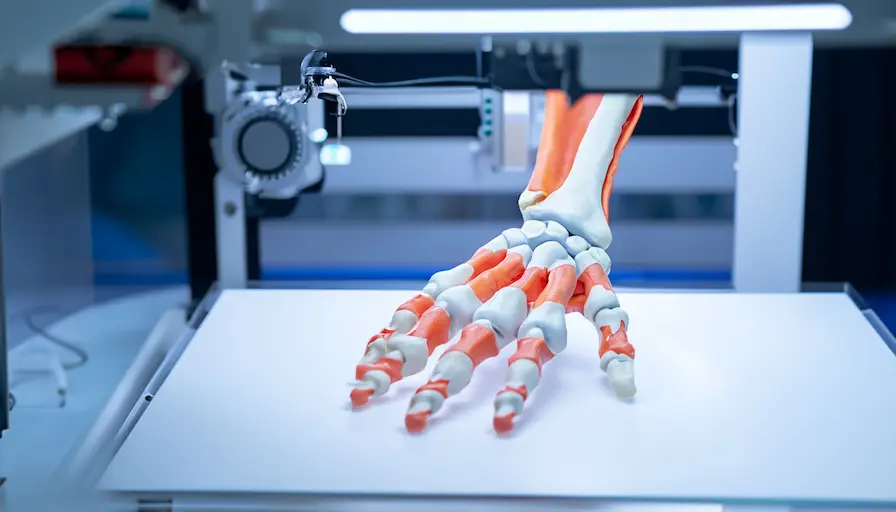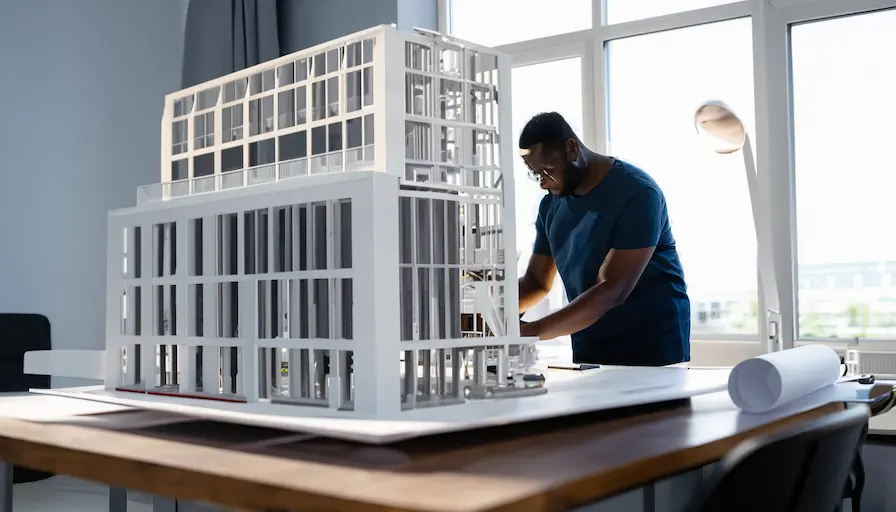
The architectural world is witnessing a transformative shift with the advent of 3D printing technology. This revolutionary process, also known as additive manufacturing, has opened up new horizons for architects and construction professionals alike. In this blog, we will explore the diverse applications of 3D printing in architecture, uncover its advantages and challenges, and delve into the engineering properties that drive its remarkable potential. Join us as we embark on a journey through the fusion of creativity and technology in the realm of architectural design.
Applications of 3D Printing in Architecture
3D printing has broken the barriers of traditional architectural limitations, allowing for the creation of complex and intricate designs that were once deemed unattainable. Architects now harness the power of 3D printing for rapid prototyping, scale models, and even full-scale building components. From artistic sculptures to functional facades, 3D printing has found its way into various architectural elements. It enables efficient construction processes, reduces material waste, and paves the way for sustainable building practices. The technology has also made its mark in disaster relief and affordable housing projects, showcasing its humanitarian potential.
Pros of Architecture in 3D Printing
- Design Freedom: 3D printing liberates architects from conventional design constraints, allowing for unparalleled creativity and innovation.
- Time and Cost Efficiency: By streamlining the construction process and reducing labor and material costs, 3D printing offers enhanced project timelines and economic benefits.
- Customization: Architectural designs can be tailored to meet specific requirements, catering to individual preferences and site constraints.
- Sustainability: 3D printing minimizes waste production and promotes the use of eco-friendly materials, contributing to greener and more sustainable buildings.
Cons of 3D Printing in Architecture
- Material Limitations: The range of 3D printable construction materials is expanding, but some challenges persist in finding suitable materials for large-scale applications.
- Regulatory Compliance: As 3D printed buildings emerge, adherence to building codes and regulations poses a challenge that requires careful consideration.
- Skilled Labor Requirements: The implementation of 3D printing in architecture demands specialized knowledge and training, which may limit its immediate adoption.
Engineering Properties Driving Architectural Advancements:
The success of 3D printing in architecture rests on essential engineering properties that uphold the integrity of the structures:
- Structural Strength: Materials with high structural integrity and durability ensure the safety and stability of 3D printed buildings.
- Weather Resistance: Architectural components must withstand diverse weather conditions, necessitating materials that offer excellent weather resistance.
- Aesthetic Appeal: 3D printing materials that provide a visually appealing finish are vital for architectural designs.
- Fire Retardancy: Ensuring that 3D printed structures meet fire safety standards is crucial for secure occupancy.
Conclusion
3D printing has emerged as a groundbreaking tool for architects and construction professionals, empowering them to redefine design and construction processes. Its applications span from intricate models to life-size building components, demonstrating its versatility and potential in the architectural world. While challenges exist, ongoing advancements in materials and regulations are poised to accelerate the integration of 3D printing in the future of architecture. As creativity merges with technology, 3D printing promises to shape a new era of sustainable, innovative, and awe-inspiring architectural wonders.
Tags
Content Summary
This blog journeyed through the realm of 3D printing in architecture, highlighting its applications, pros, and cons. The technology's design freedom, time and cost efficiency, and sustainability benefits are reshaping architectural practices. However, challenges in materials, regulations, and skilled labor require careful consideration. As engineering properties continue to advance, 3D printing is poised to revolutionize the architectural landscape, offering limitless possibilities for creative expression and sustainable construction.