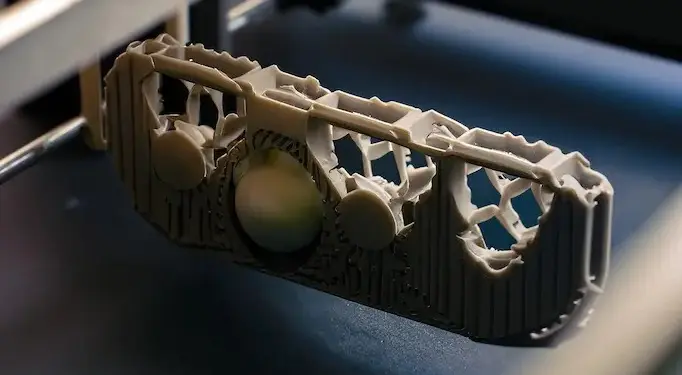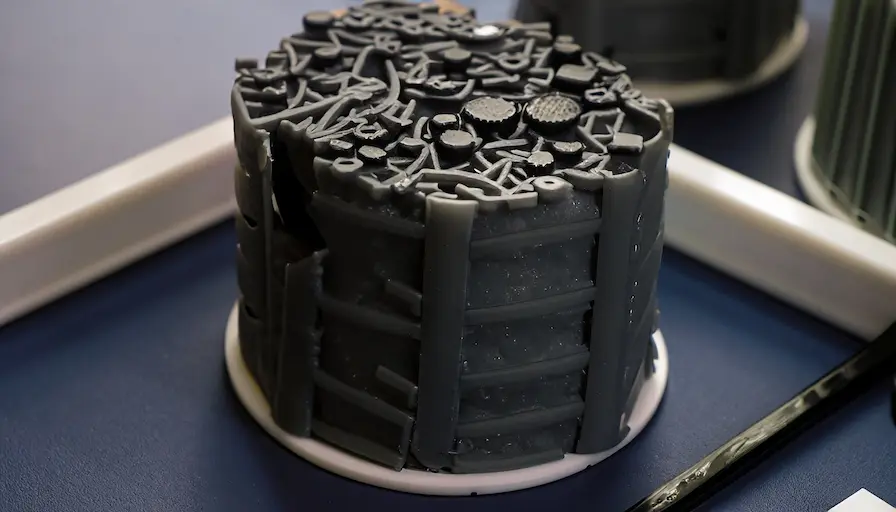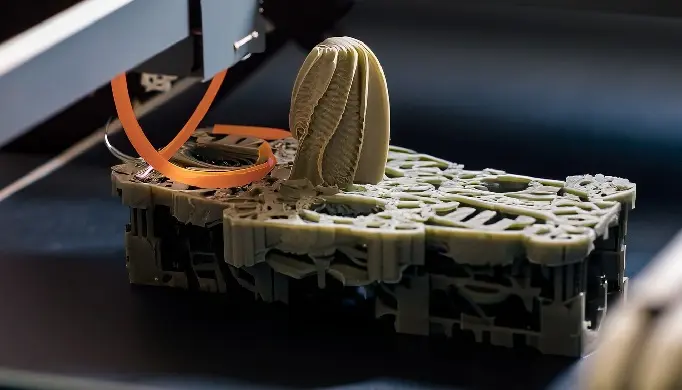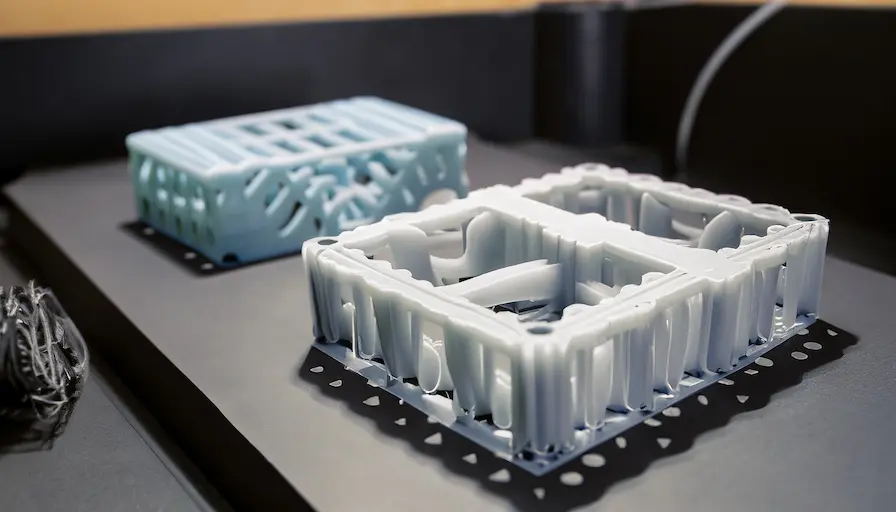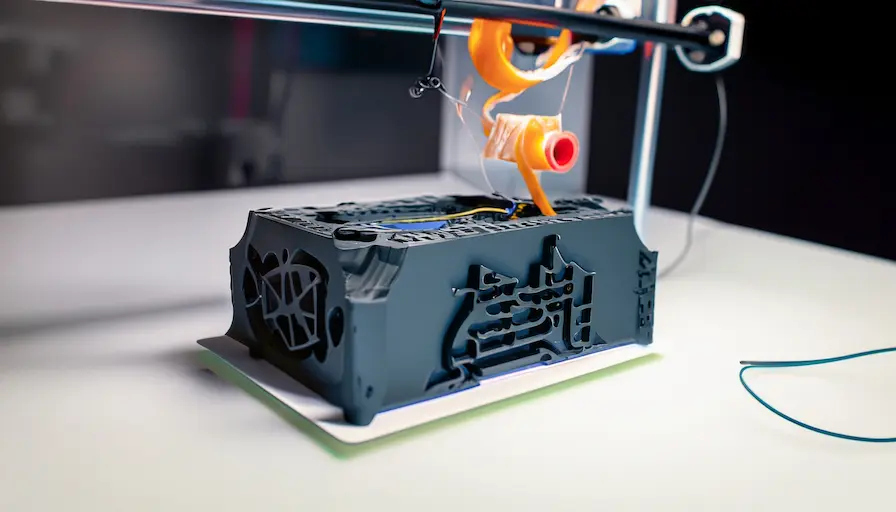
Thermoplastic Polyurethane (TPU) has emerged as a remarkable material in the world of Additive Manufacturing or 3D printing. Known for its flexibility, durability, and versatility, TPU offers unique advantages in various applications. In this blog, we will delve into TPU and its diverse applications, compare it with other 3D printing materials, examine its physical and engineering properties, and discuss its advantages and disadvantages.
TPU in Additive Manufacturing
TPU is a type of elastomer, characterized by its rubber-like properties and ability to stretch and return to its original shape. Its flexibility and high impact resistance make TPU a preferred choice in 3D printing applications that require durable and flexible parts.
Applications of TPU
TPU's exceptional properties have led to its extensive use in various industries and applications, including:
- Footwear: TPU is commonly used in 3D printed shoe soles and custom orthotics due to its comfort and shock-absorbing capabilities.
- Prototyping: TPU is ideal for creating flexible prototypes in various industries, including automotive and consumer goods.
- Medical Devices Its biocompatibility and flexibility make TPU suitable for creating medical prototypes and prosthetics.
- Vibration Dampening: TPU's excellent vibration dampening properties make it useful in engineering and industrial applications.
Comparison with Other Materials
- PLA vs. TPU: While PLA is rigid and brittle, TPU offers flexibility and impact resistance, making it suitable for entirely different applications.
- ABS vs. TPU: ABS is strong and rigid, whereas TPU exhibits elasticity, allowing both materials to serve different purposes.
Pros and Cons of TPU in Additive Manufacturing
- Impact Resistance: TPU's resilience and shock-absorbing properties provide excellent impact resistance.
- Chemical Resistance: TPU exhibits good resistance to many chemicals, enhancing its applicability in various environments.
- Flexibility: TPU's flexibility and elasticity make it suitable for applications requiring deformation and recovery.
- Versatility: TPU's wide range of Shore hardness (measuring material hardness) options allows for tailored applications.
- Warping: TPU may experience warping during printing, necessitating proper calibration and print settings.
- Difficulty in Printing: Due to its flexible nature, TPU can be more challenging to print than rigid materials.
Physical Properties of TPU Before and After 3D Printing
- State: Solid (Filament form)
- Color: Transparent or opaque in various colors
- Density: Approximately 1.2 g/cm³
- Melting Point: 190°C - 230°C
- Density: Slightly increased due to the addition of support structures and infill.
- Mechanical Properties: TPU exhibits excellent flexibility and elongation at break.
Engineering Properties of TPU
- Tensile Strength: 20-60 MPa (MegaPascals)
- Elongation at Break: 400-600%
- Flexural Strength: 25-70 MPa
- Shore Hardness: 50A – 90A
- Coefficient of Friction: 0.4
- Water Aborption: 0.2% - 0.5% (over 24 hours)
Summary
Thermoplastic Polyurethane (TPU) has proven to be an exceptional material in Additive Manufacturing, offering flexibility, durability, and impact resistance. Its applications range from custom shoe soles and medical devices to vibration dampening solutions in engineering. While TPU may present some challenges during printing, its advantages in flexibility and shock absorption make it a valuable material for a wide array of projects.
Tags
Conclusion
Thermoplastic Polyurethane (TPU) has gained significant popularity in Additive Manufacturing for its flexibility, impact resistance, and versatility. Whether it's 3D printed shoe soles, custom prototypes, or medical devices, TPU's rubber-like properties provide unique advantages. While some challenges may arise during printing, the benefits of TPU's flexibility and resilience make it a sought-after material in various industries, contributing to more functional and durable 3D printed solutions.