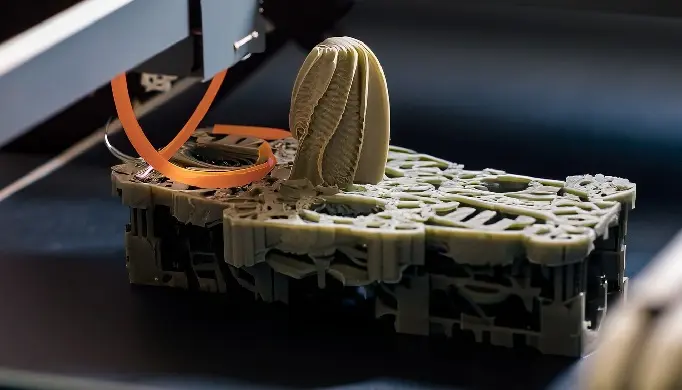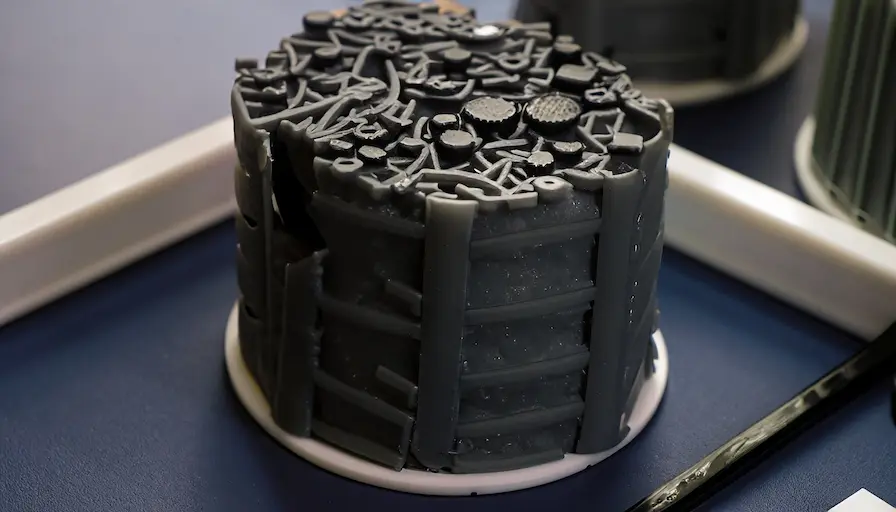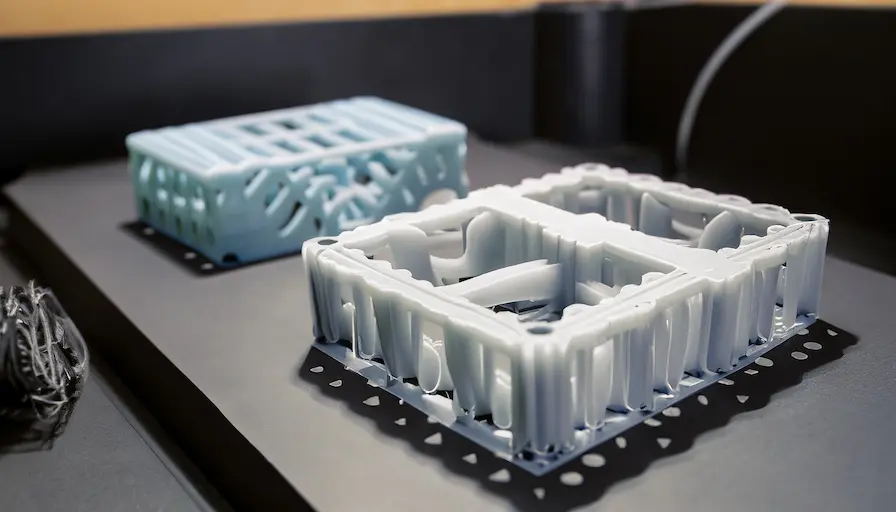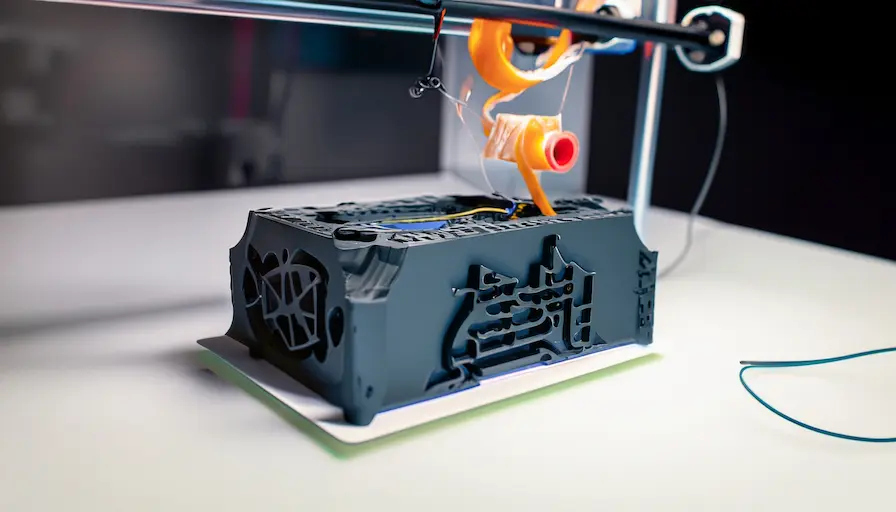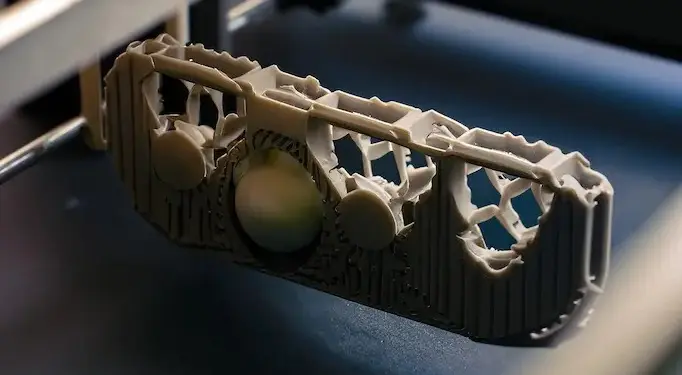
In the realm of Additive Manufacturing or 3D printing, Polyactic Acid (PLA) stands as one of the most popular and versatile materials. PLA has gained widespread recognition due to its eco-friendly nature, ease of use, and remarkable printability. This blog will delve into PLA's numerous applications, compare it with other 3D printing materials, examine its physical and engineering properties, and explore its advantages and disadvantages.
PLA in Additive Manufacturing
PLA is a biodegradable thermoplastic derived from renewable resources like corn starch or sugarcane. Its environmental friendliness, coupled with its ease of printing, makes PLA a top choice for beginners and experienced users alike. PLA is compatible with various 3D printers, making it widely accessible.
Applications of PLA
PLA's versatility has led to its extensive use in various industries and applications, including:
- Educational Purposes: Due to its ease of printing and non-toxic nature, PLA is commonly used in educational settings to introduce 3D printing concepts to students.
- Prototyping: PLA allows for quick and cost-effective production of prototypes, enabling designers and engineers to validate their ideas before mass production.
- Consumer Goods: PLA is often used in manufacturing everyday items such as kitchenware, phone cases, and decorative items.
- Medical Models: Its biocompatibility makes PLA suitable for creating medical models and prosthetics.
Comparison with Other Materials
- PLA vs. ABS: While ABS boasts superior strength and durability, PLA has the upper hand in terms of biodegradability and ease of printing.
- PETG vs. PLA: PETG is more durable and flexible than PLA, but PLA remains more environmentally friendly and easier to work with.
Pros and Cons of PLA in Additive Manufacturing
- Eco-Friendly: PLA's biodegradable nature makes it a sustainable option for 3D printing.
- Ease of Printing: PLA requires lower printing temperatures, reducing the likelihood of warping and enhancing overall print success rates.
- Low Odor: PLA emits minimal fumes during printing, making it suitable for indoor use without extensive ventilation.
- Wide Range of Colors: PLA is available in an extensive array of vibrant colors, enabling artistic and creative projects.
- Brittleness: PLA is more brittle than certain other materials, limiting its use in applications requiring high impact resistance.
- Lower Temperature Resistance: PLA begins to soften at relatively low temperatures, limiting its suitability for high-temperature applications.
Physical Properties of PLA Before and After 3D Printing
- State: Solid (Filament form)
- Color: Various colors available
- Density: Approximately 1.24 g/cm³
- Melting Point: 160°C - 220°C
- Density: Slightly increased due to the addition of support structures and infill.
- Mechanical Properties: PLA exhibits decent strength and stiffness but may be prone to warping.
Engineering Properties of PLA
- Tensile Strength: 50-70 MPa (MegaPascals)
- Elongation at Break: 5-10%
- Flexural Strength: 70-90 MPa
- Heat Deflection Temperature (HDT): 55°C - 70°C
- Coefficient of Friction: 0.5
- Water Absorption: 0.3% - 0.5% (over 24 hours)
Summary
Polyactic Acid (PLA) is a versatile and eco-friendly material that has found its place as a favored option in the realm of Additive Manufacturing. Its widespread applications, coupled with ease of use and lower printing temperatures, have made PLA a popular choice among 3D printing enthusiasts and professionals. While its brittleness and limited heat resistance may pose some challenges, the overall advantages of PLA make it an excellent choice for various projects.
Tags
Conclusion
PLA's eco-friendly nature, ease of printing, and diverse applications have solidified its position as a leading material in the field of Additive Manufacturing. Whether for educational purposes, prototyping, or consumer goods, PLA delivers reliable results. Although it has some limitations, such as brittleness and lower temperature resistance, PLA remains a popular choice for both beginners and seasoned 3D printing enthusiasts, contributing to a more sustainable and creative future.